Issue 14 Insomnia: Why Students Are Sleeping in Class It’s no secret that college students struggle to get sleep. Between juggling midterms, homework, and 8:30 a.m. classes, it isn’t just a stereotype that students are
Cover Article In Your Dreams: Insights from Dream Research Why Do We Dream? Dreams have held cultural and religious significance throughout history, and in some cases, they have influenced history or culture themselves. James Watson, who won the Nobel
Issue 13 Reflecting on Mirror Neurons On the lush savannah stand a herd of gazelles, grazing. Behind them, men prowl, registering one another’s actions in order to work together and formulate a plan to split their spoils.
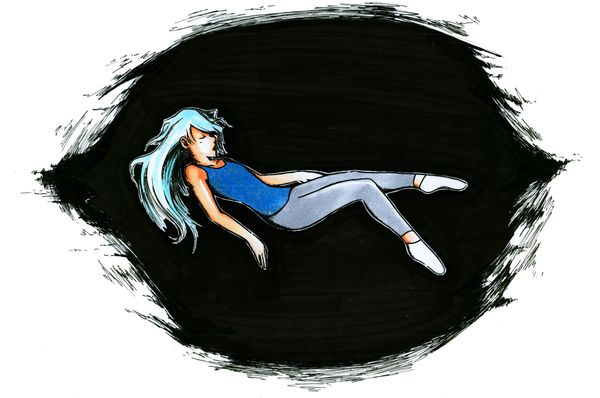
Issue 13 The Floating Brain: Neuroscience of Microgravity Anyone who has ever flown across the world is aware of the exhausting journey that a 12-hour flight can hold, from headaches due to the engine’s grueling background noise
Issue 13 Dive Into the Mind of an Octopus Humans are intelligent beings capable of complex cognitive feats such as self-awareness. There are many existing and emerging theories proposing different explanations for this exceptional intelligence. A common strategy for
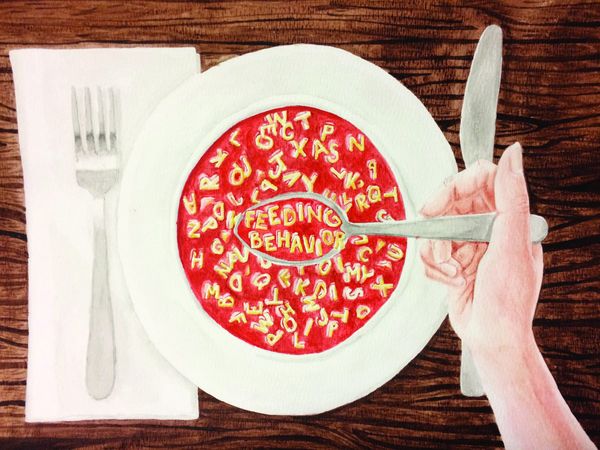
Issue 13 Feeding Behavior Within the human body, many conditions need to be kept within a physiologically optimal range for the system to function properly. This is highly important at the cellular and subcellular
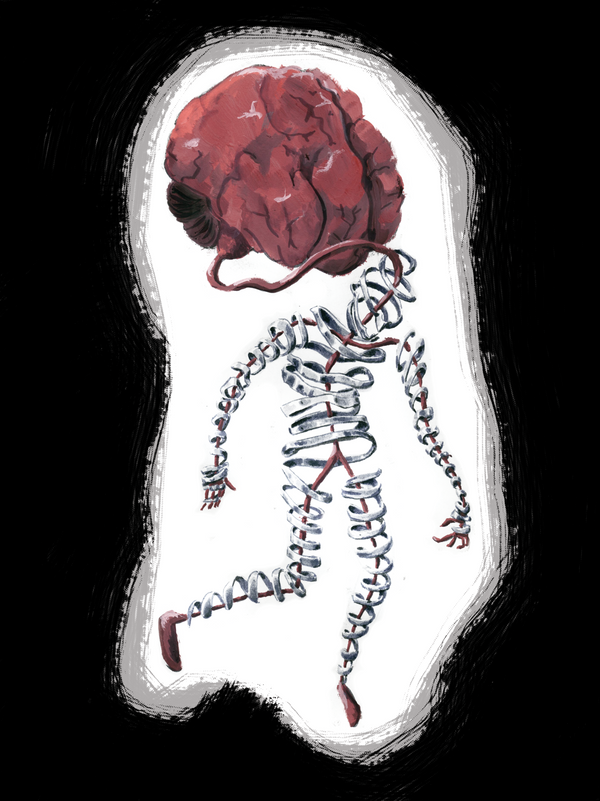
Issue 12 A Brain Divided A frequently misquoted myth about the brain is that scientists and researchers are “left-brained” and artists and writers are “right-brained.” But what would happen if each side actually had to
Issue 12 OCD and the Immune System Obsessive-compulsive disorder (OCD) is an anxiety disorder in which a person experiences excessive unwanted thoughts, urges, or impulses that may or may not be followed by repetitive, compulsive behaviors [1]
Issue 12 The Brain on Porn Since the advent of the internet, pornography’s involvement in the lives of the public continues to increase. 66% of men and 41% of women view pornography monthly in the
Issue 11 Cutting for the Competition: How Dehydration Affects the Brain Modern athletes do everything in their power to improve their performance. They follow intense training regimens, adhere to strict diets, and always look for an additional edge over their competition,
Issue 11 Rest Assured Sleep sets people back. Every night, people stop and doze off; they don’t eat, work, or learn. Evolutionarily, it should be a recessive trait—after all, non-sleepers could get
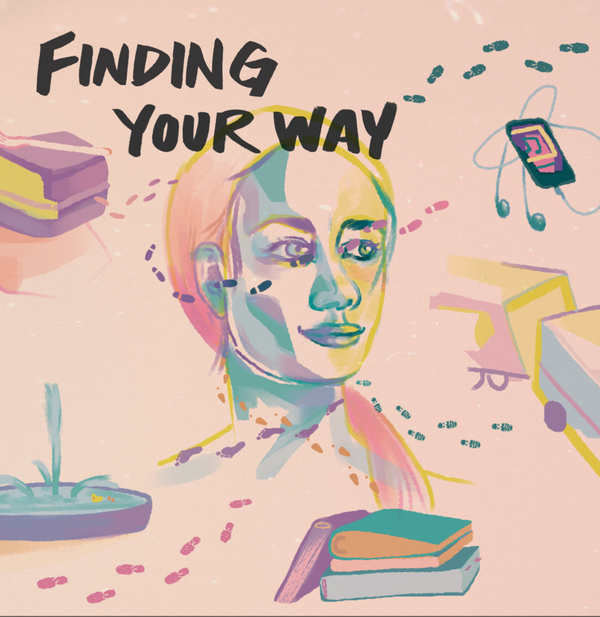
Cover Article Finding Your Way: The Neuroscience Behind Mental Maps Think back to the most memorable place you’ve been. Whether it be the alleys and roads that bisect to make up your childhood neighborhood or a distant country you
Issue 11 Power Play Introduction Many people are familiar with phrases like “top dog” and “alpha male,” whether in reference to a pack of wolves or a competitive workplace environment. These are colloquial portrayals
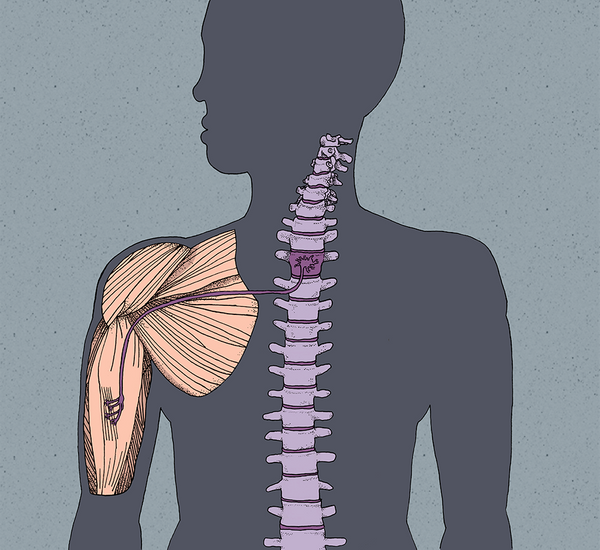
Issue 11 Moving Toward Motion Introduction One of the major functions of the nervous system is to control muscles and coordinate their activity to generate movement. Most motions we execute are a product of sensory
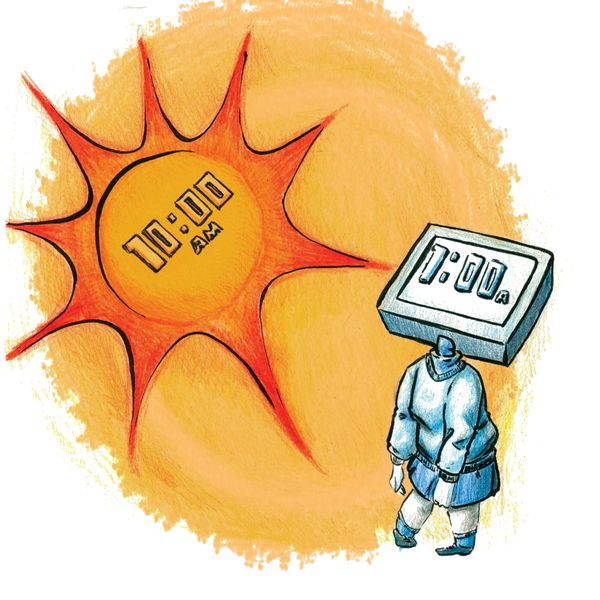
Issue 10 The Night Shift “Rise and shine!” Or, better said, “shine and rise!” The sun provides a central cue for waking hours because the light it emits serves as a regular signal that enforces
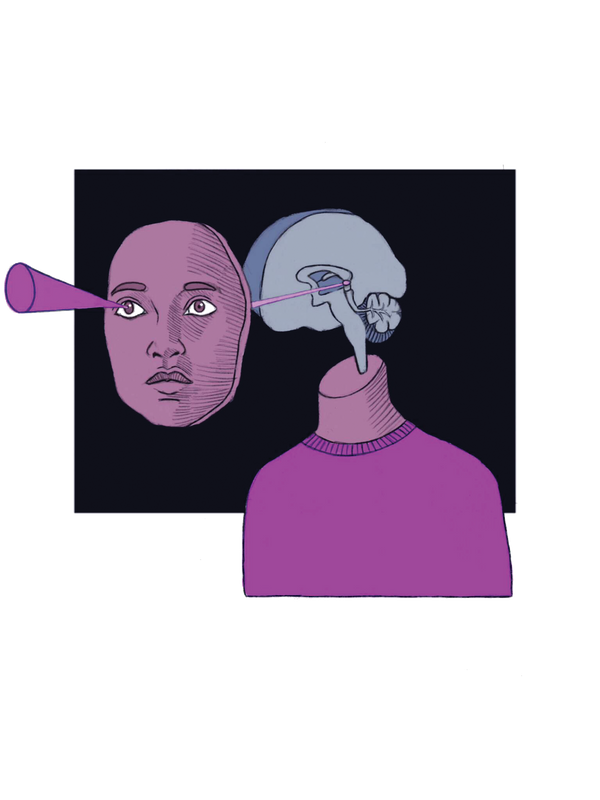
Issue 10 Distorting Perception The ability to see is often attributed to the eyes, but this is only the beginning of visual processing. It is estimated that one-third to one-half of the human brain
Issue 10 Wordplay: The Neural Networks of Word Processing As we go through our daily routines, whether they be in a bustling coffee shop packed with sleep-deprived students or in the high-ceilinged library reading room, we are surrounded by
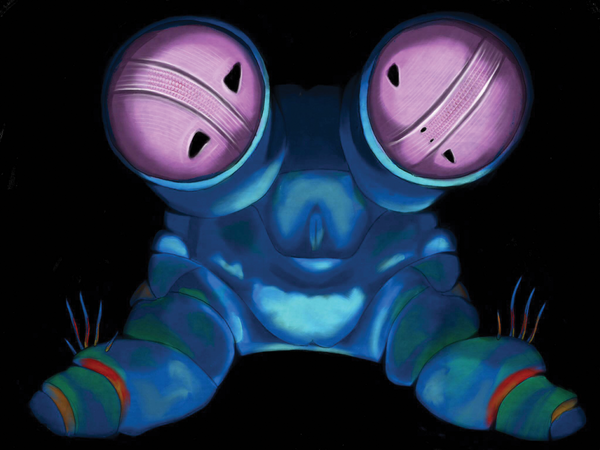
Issue 9 Through the Eyes of the Mantis Shrimp Crawling on the bottom of the Indian and Pacific Ocean are many species of colorful stomatopod crustaceans, commonly known as mantis shrimp. For a species to occupy such a bustling
Issue 9 Proprioception: The Sixth Sense Touch, smell, taste, sight, and hearing: many believe these are the limits of the nervous system’s sensory capabilities. However, the complexity of the brain and its interaction with the
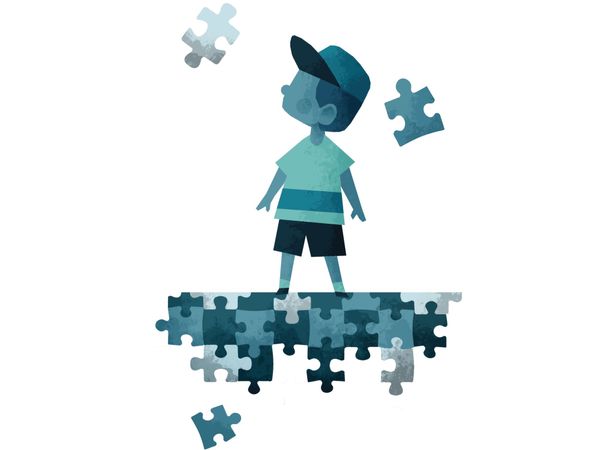
Issue 9 Understanding Autism Spectrum Disorder Autism Spectrum Disorder: A New Name A concise definition is a powerful tool in medicine and medical science. As we learn more about the biomedical world, our ability to better
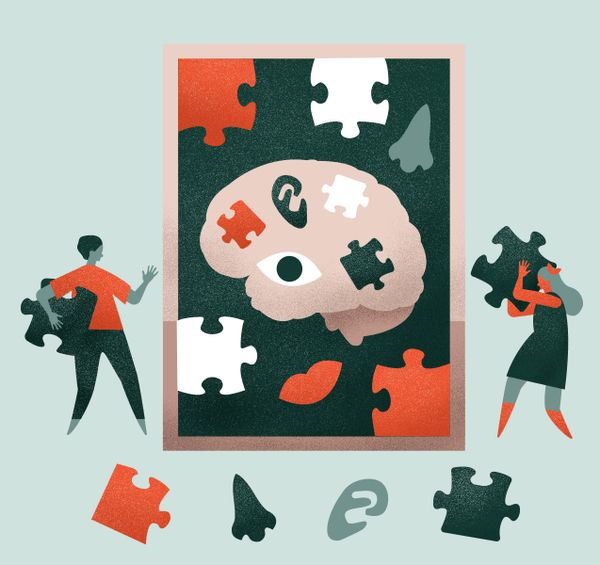
Issue 6 Isolating the Brain from Sensory Input Our capacity to respond to, and communicate with, the outside world is contingent on the brain’s ability to both consciously and unconsciously process sensory information. While sensation may seem
Issue 6 Sensory Substitution: The Brain's Ability to Adapt to Loss The adult brain weighs about three pounds and looks fairly unassuming. The organ’s seemingly uniform appearance does little to betray its underlying complexity. Over a period of several years,
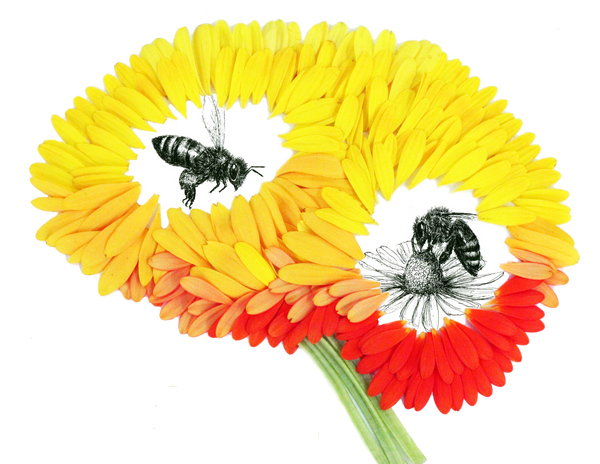
Issue 6 Honeybee Cognition The term “worker bee” has become synonymous with a person who spends their days toiling away without thinking at all about the task at hand. However, this idea simply does
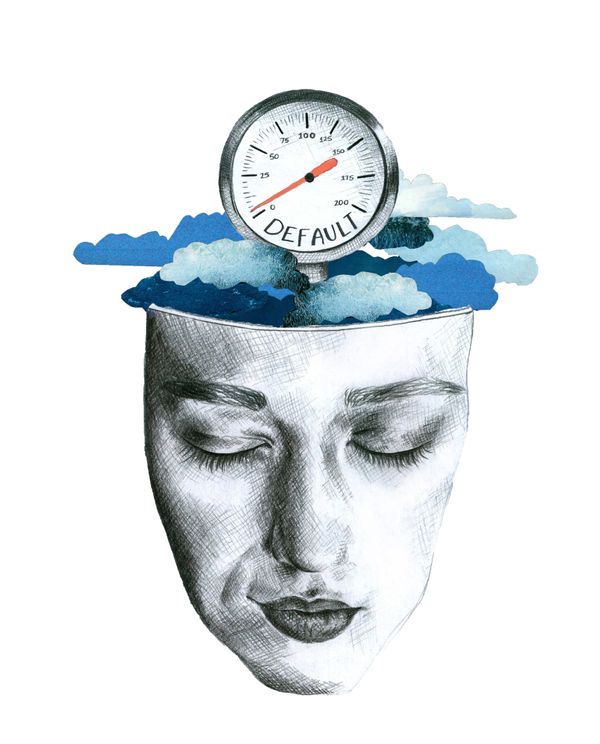
Issue 6 Default Mode Network: Running on Default It seems intuitive that the brain is active when one is engaged in tasks like studying, and less active when taking a break. But what actually happens in the brain
Cover Article The Pleasure of Music Introduction Ask any person to name the things in life that bring them pleasure, and chances are good that they will mention music. Music is a universal source of enjoyment