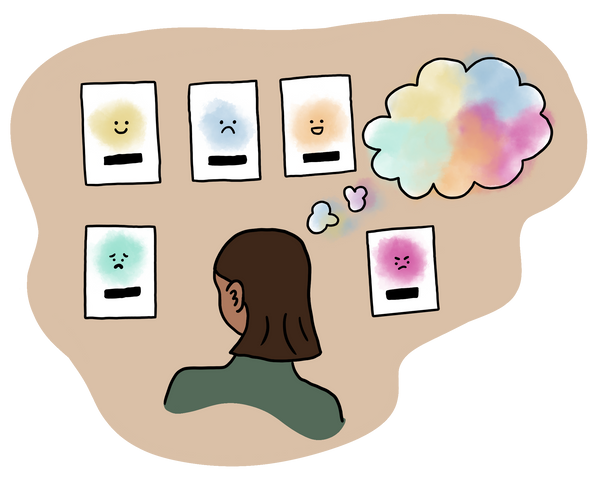
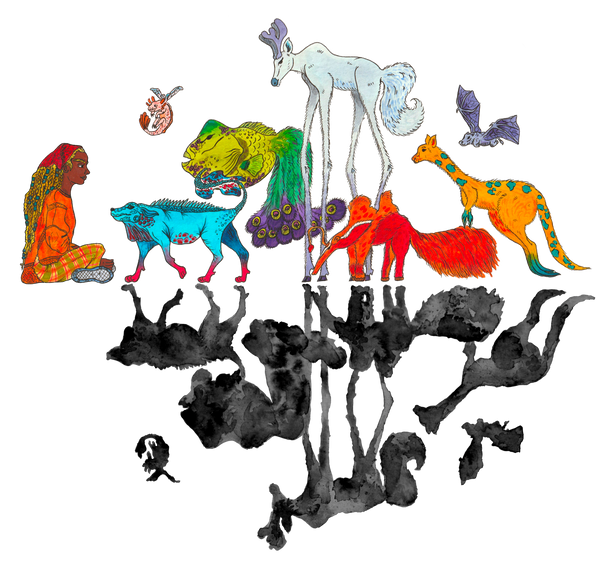
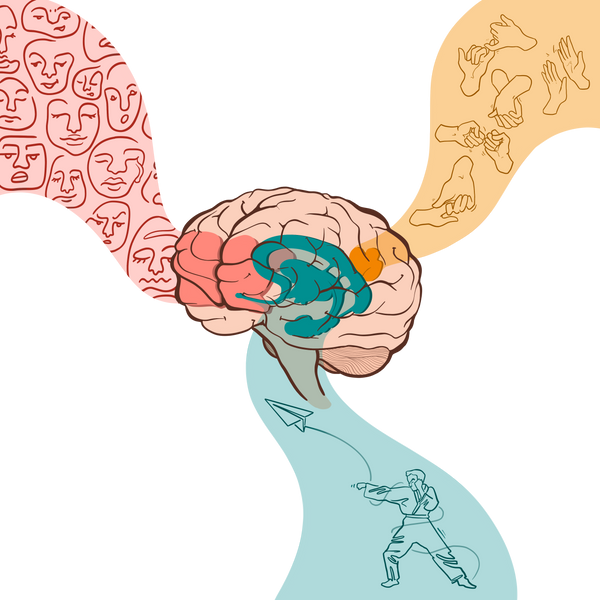
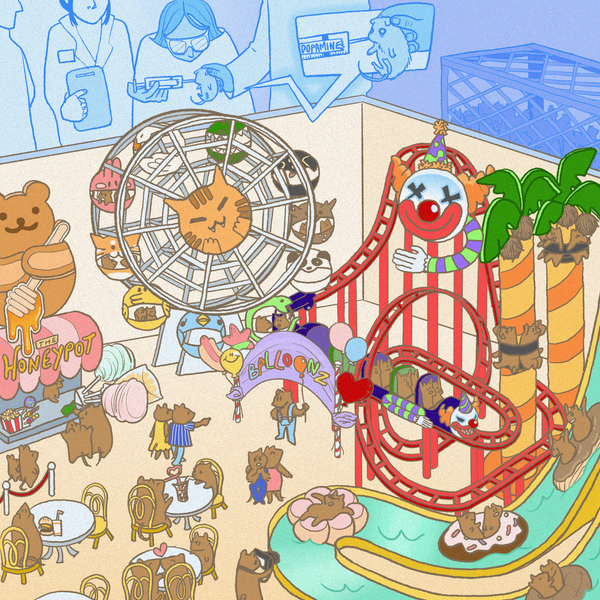
Issue 33 Empathy and Autism Introduction In the British Isles, centuries-old stories warn that one must keep a close watch on a newborn child, lest the fairies steal it away and replace it with one
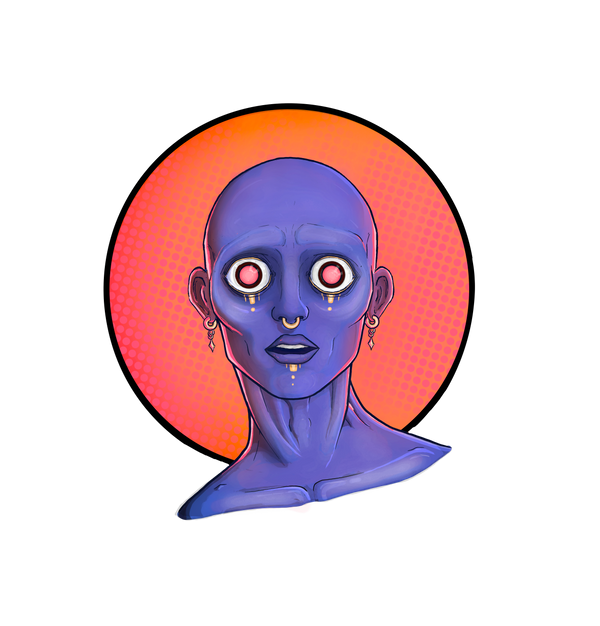
Issue 33 Too Human: The Uncanny Valley Hypothesis Introduction Imagine a life-sized mannequin—the kind you’d pass by during a casual shopping spree. Now, picture it with hair, teeth, and empty eyes that sink deep into their
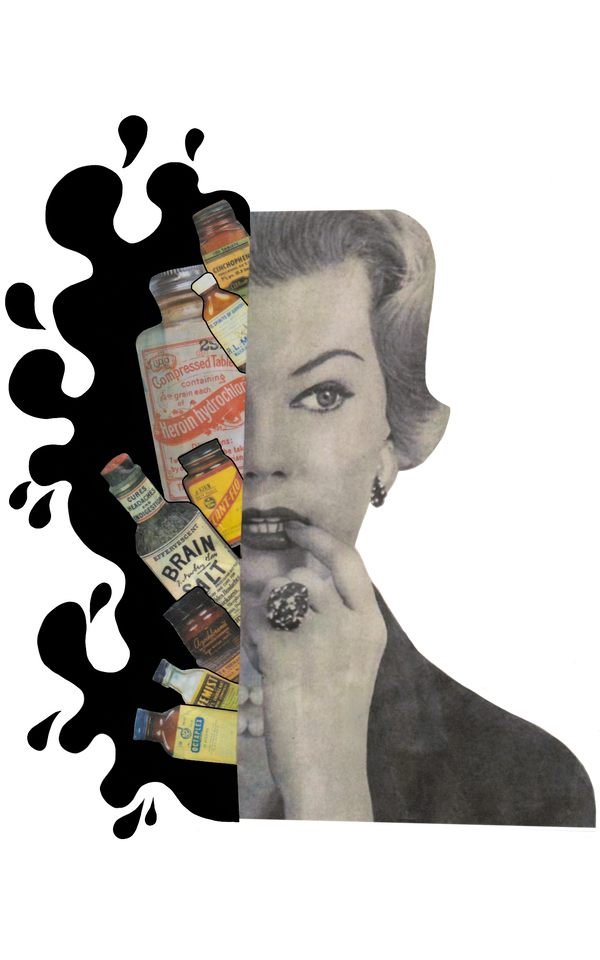
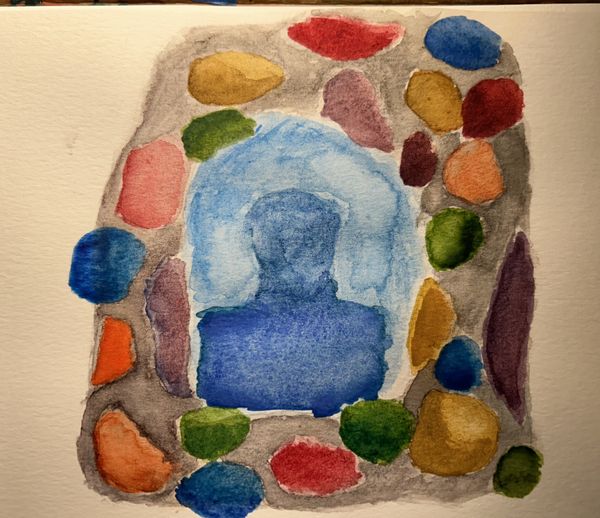
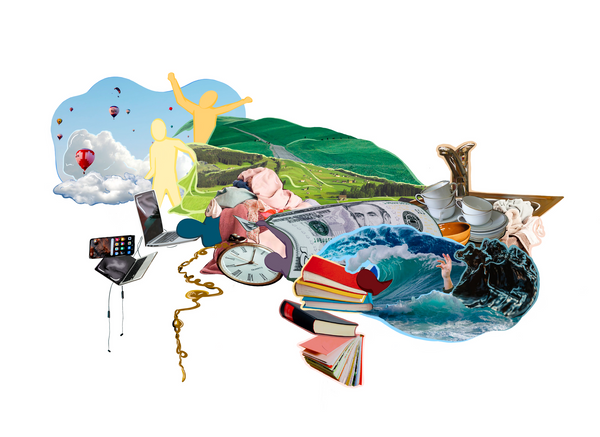
Issue 32 Art Therapy: An Alternative for Treating Chronic Illness When my dad died, I went through life feeling completely bereft. I was drowning under the weight of college exams and papers, funeral service preparations, and the omnipresent belief that
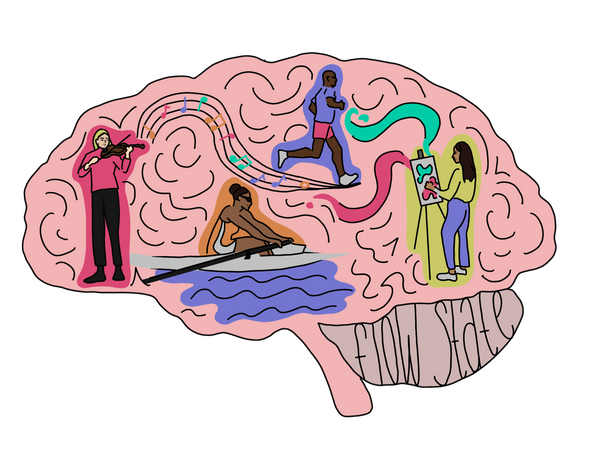
Issue 32 Flow State: The Science Behind Optimal Human Performance Imagine a moment when your mind and body are fully immersed in a task and every fiber of your being is dedicated to completing it - when time stops and all distractions fade away. This is the essence of flow state.
Issue 32 Morality and Decision Making Introduction If you were given the choice to divert a trolley down a different track and kill one person instead of remaining on a track that kills five people, would you make it? What if a trolley was on a path to kill five
snippet Hungry, Angry, and Hangry: How Our Internal Signals Shape Emotions and Sensation Imagine you have classes from 8:30 am to 5:30 pm and have no time to eat anything. You're hangry.
Issue 31 Emotional Regulation and Psychosis: A Lack of Control Over One’s Experience of Their Own Emotions Psychosis can uproot the life you once knew. This fact is displayed all too well in the case of Grohl, a young man who came to define himself as socially flourishing and creative, before schizophrenia broke his tether with reality.
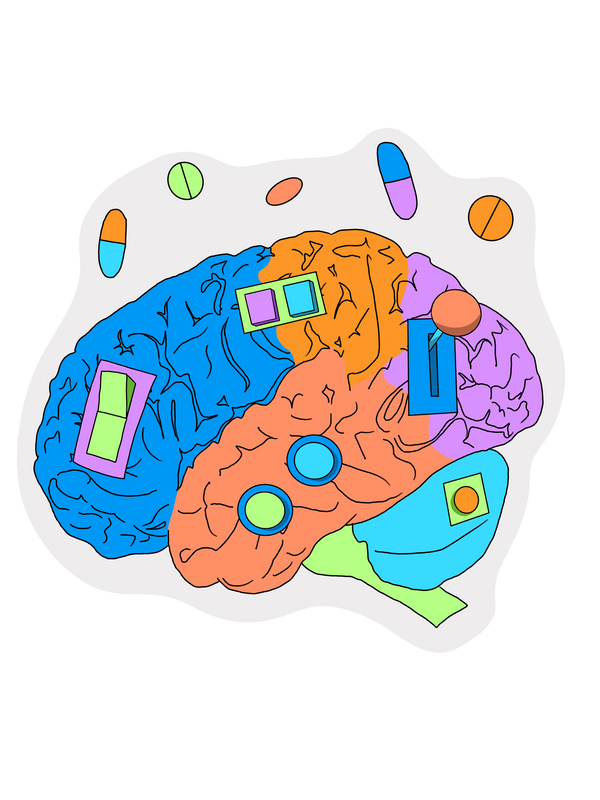
Issue 31 Dummy Treatment, Real Results: The Placebo Effect The term placebo comes from the Latin phrase “I shall please,” but today, it typically means a sham medical treatment. Despite being inactive, placebo treatments can still have significant beneficial effects on patients, known as the placebo effect.
Issue 31 Narcissism: Myth Turned Reality The most well-known form of narcissism is grandiose narcissism, which is characterized by heightened self-confidence, entitlement, and lack of empathy.
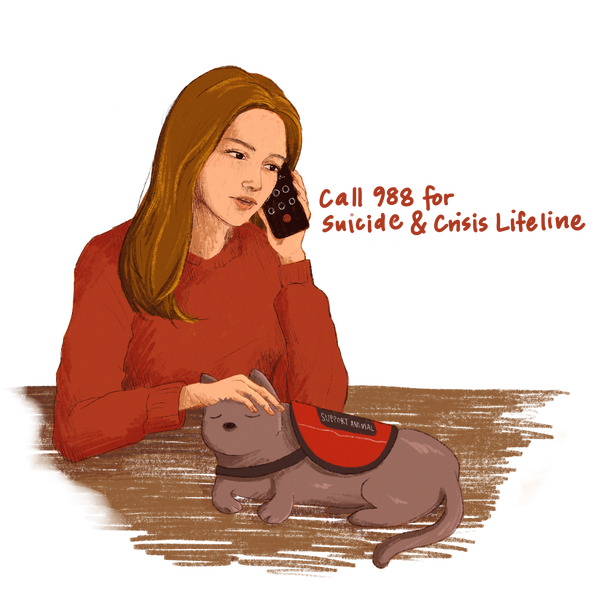
genetics The Neurobiological Mechanisms of a Suicidal Brain Many of us live our lives day to day, excited to see tomorrow’s adventures or indulge in its captivating events. Others live their lives simply wishing it would end.
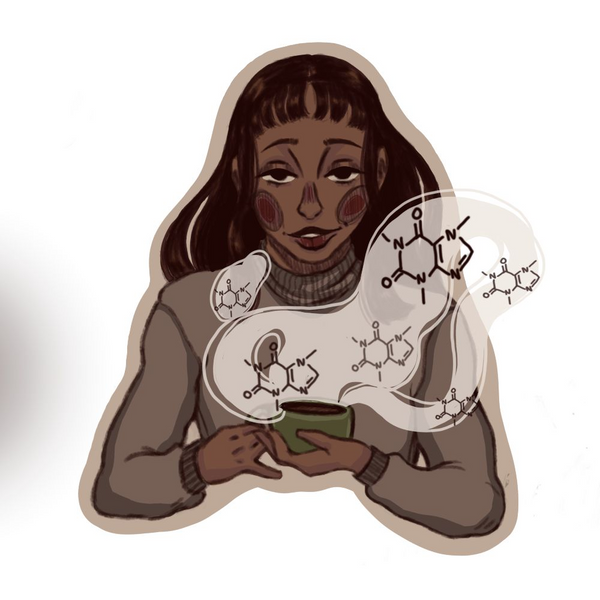
Issue 27 Coffee or Conditioning? Coffee, café, 咖啡, قهوة, コーヒー, КоΦέ, Kahvi. No matter what you call it, that bitter, dark brown drink is universally recognized as a crisp beacon that cuts through mental fog.
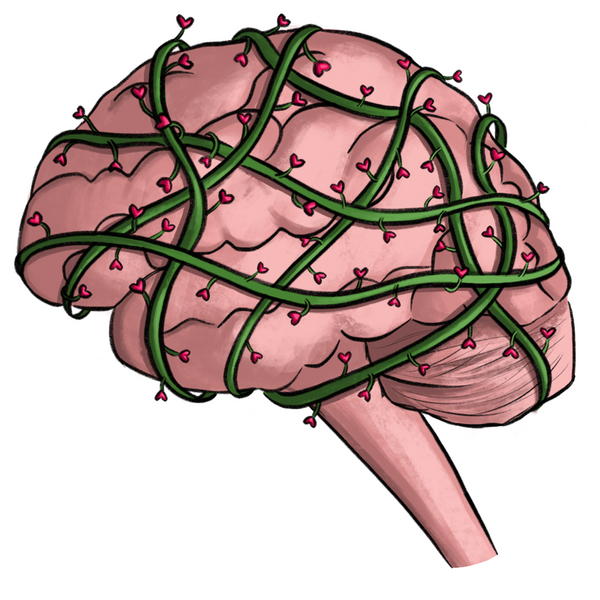
Issue 27 Love on the Brain: The Neuroscience of Love and Love Addiction Today, the intersection of psychological and neuro-scientific disciplines offer substantial insight into the positive and negative implications of human love. With advancements in fMRI technology, scientists have began exploring the
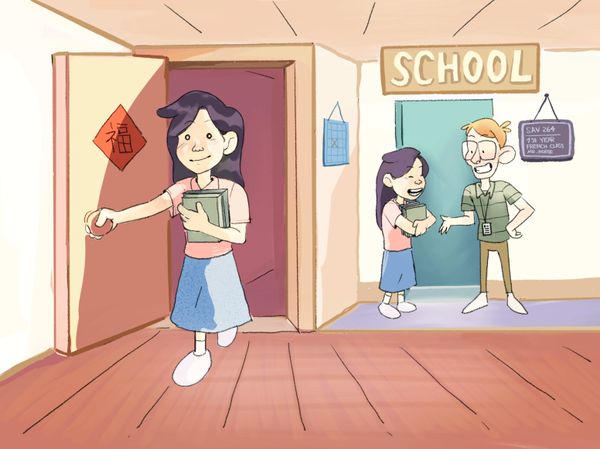
Issue 26 Bilingualism and the Brain Introduction Shaina Shetty, a woman born in Detroit, spoke Tulu (an Indian language with only 1.7 million speakers) up until she started elementary school in Detroit: “[My parents] had
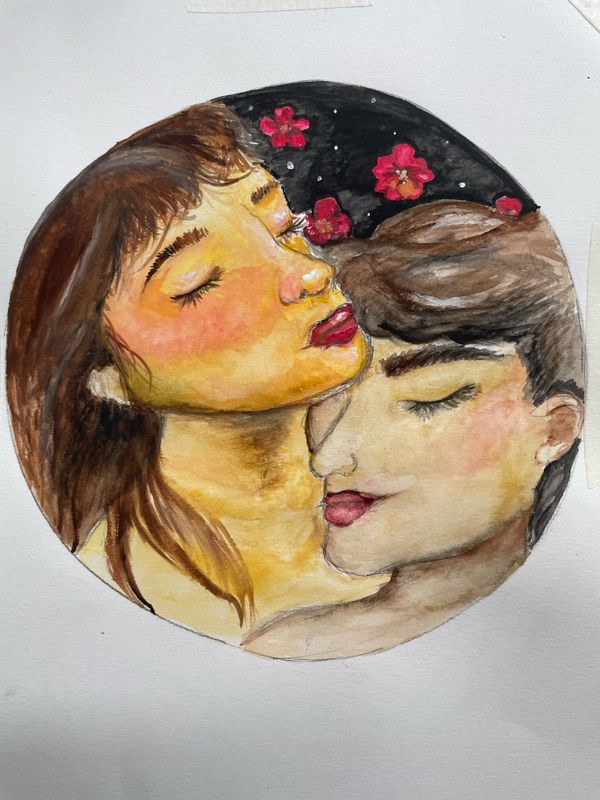
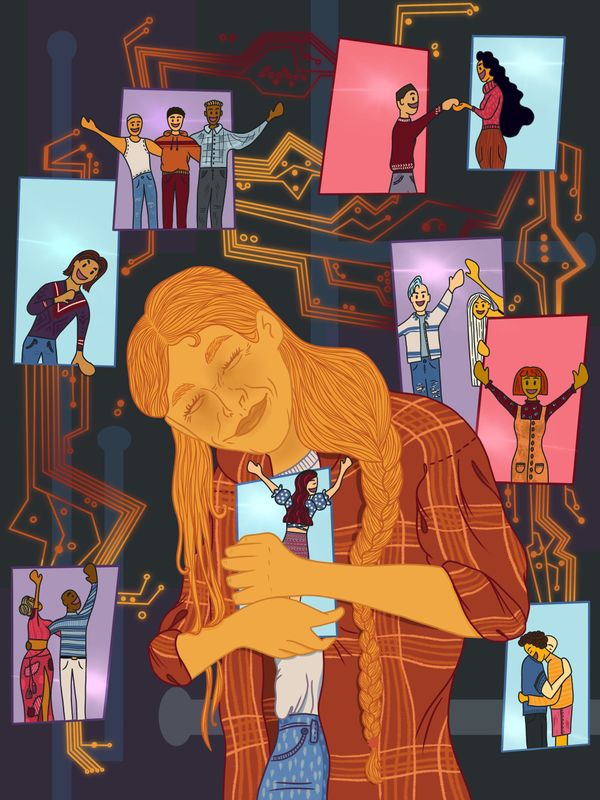
Issue 25 Invisible String The language of love is so complex and multifaceted that the researcher and the poet alike are left bewildered at its hands.
Issue 25 Hacking Consciousness: Mindfulness Meditation, Ego Death, and Enlightenment Engineering Drift away from the daily thoughts and settle into a new mindset, at least for the moment. Let your inborn ego drop the loudspeaker it holds over your internal monologue and detach from the emotions occupying your mind; losing that sense of self-importance being carried through each day.
issue 24 Tachyphylaxis: Antidepressants' Greatest Challenge Imagine sitting down with a doctor to discuss several distressing symptoms you’ve been experiencing recently. Slowly you confess that you’ve been experiencing a sense of numbness, and your hobbies don’t interest you. In fact, nothing interests you anymore...
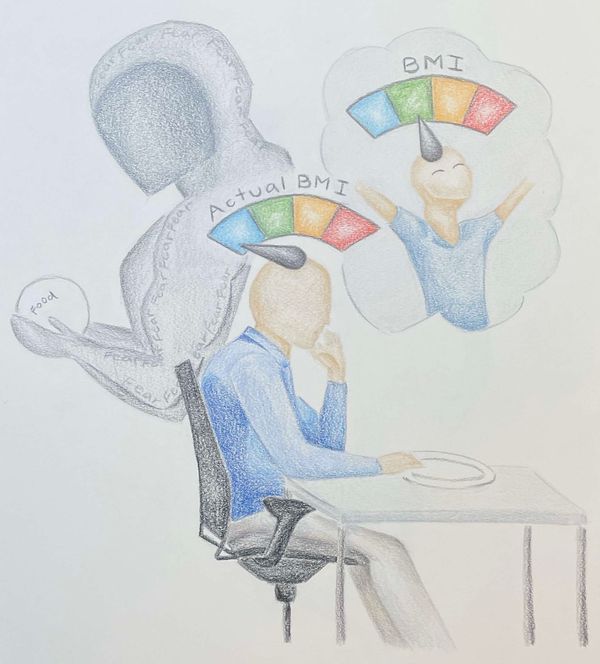
issue 24 The Neurobiology of Anorexia Nervosa For most of us, sitting down to at least three meals a day is so normal that intentionally refusing to eat seems unthinkable. Yet for some, the experience of eating is fraught with anxiety...
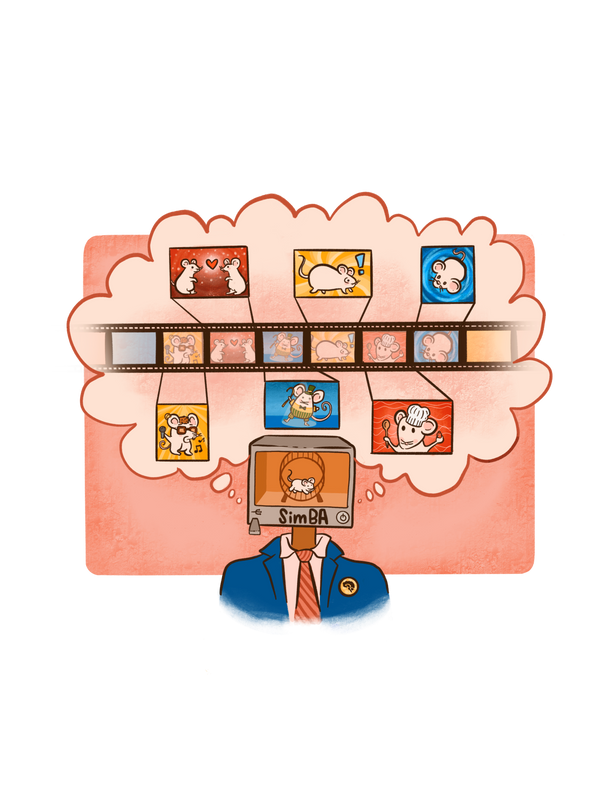
issue 24 Computational Neuroethology: A Machine Vision of the Future the rise of computational neuroethology, or the computational modeling or analysis of the neural basis of behavior...
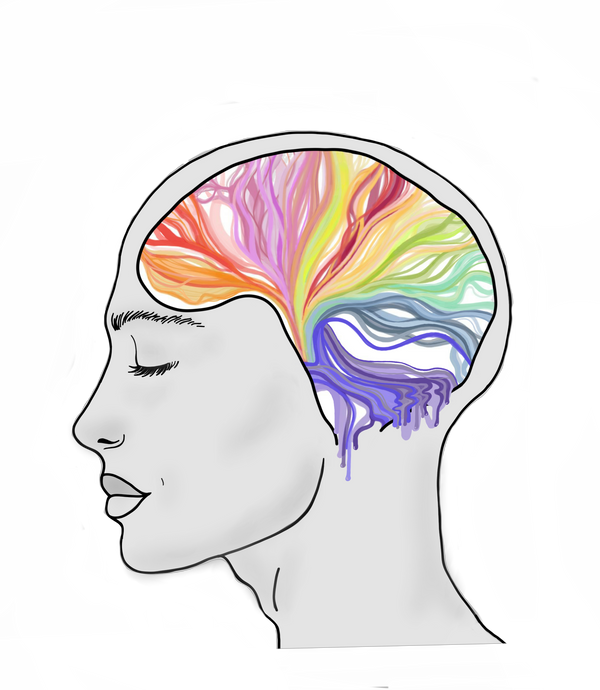
Issue 23 Locating Creativity Let’s take a short quiz: look at an object and close one eye. Which eye is left open – your right or your left? Next, put one hand on your head. Which hand did you use?
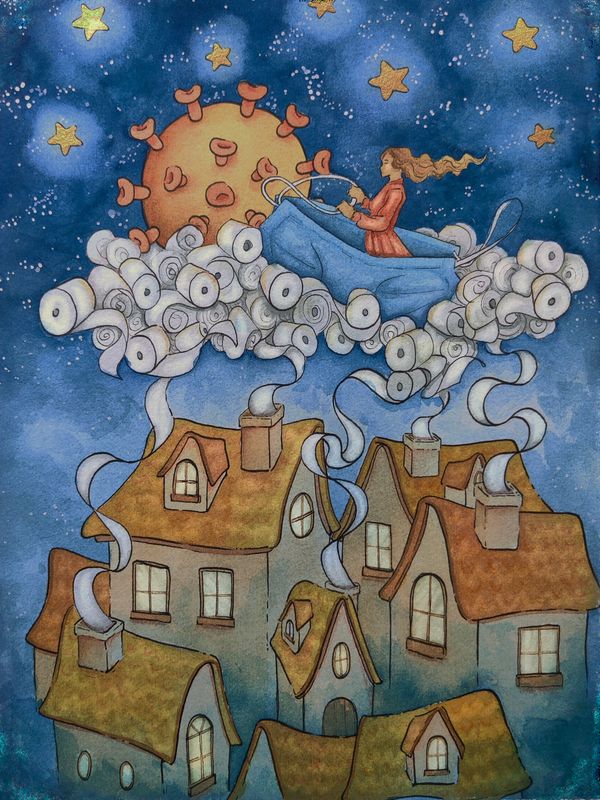
Issue 23 Fever Dreams When the world first entered lockdown at the end of March 2020, our lives were turned upside down. Days bled into nights spent inside the same walls, with no separation between work and home. If we went out, it was to a masked, nightmarish world full of empty streets and dark storefront windows.
Issue 23 Understanding the LGBTQIA+ Experience One of the most astounding things about the brain is that it contains our entire mind. All of our memories, thoughts, feelings, and preferences are contained within this mass of flesh that is, well, just meat.
Issue 22 Feeling the Beat: The Neuropsychology of Music and Empathy While we wait in elevator rides or drive to the grocery store, the majority of us don’t sit in silence: we go about our day-to-day lives accompanied by songs and soundtracks.
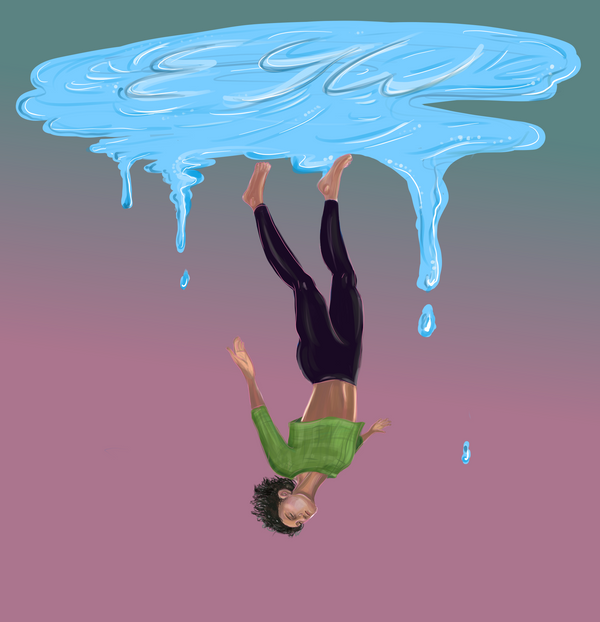
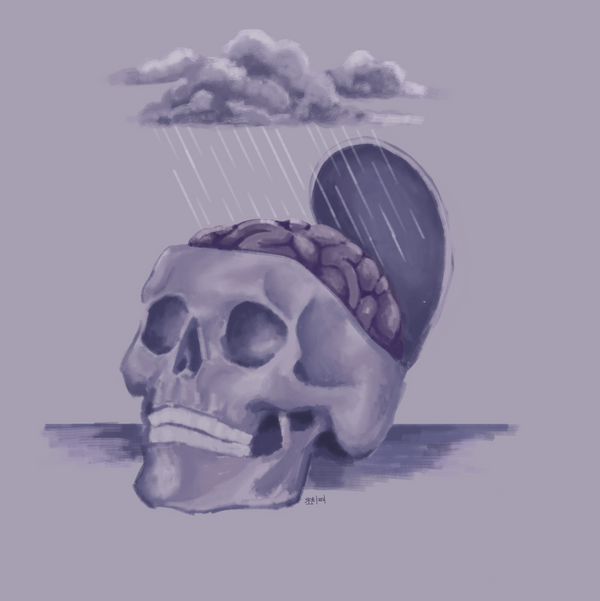
Issue 22 Don't Rain on my Parade Look outside, what do you see? What you see outside varies greatly depending on where you live and what time of the year it is. If it’s summertime, you might look outside and see bright skies and sunlight.
Issue 22 Love, Sex, and Brains Between different individuals and cultures, the spectrum of human wants, needs, actions, and responses varies almost infinitely. But despite these differences, one phenomenon seems to persist across the branching history
Issue 21 Quarantine Isolation I remember March 11th, 2020 vividly: schools in my area announced they would go online for the next three weeks. I was relieved that things slowed down. I could finally catch up on my sleep, schoolwork, and responsibilities.